
Building a gaming PC can feel intimidating, especially when you see high-end setups with flashy lights and expensive parts. It’s easy to assume that a good gaming experience requires a huge budget, but that’s not actually true. With the right choices and a bit of planning, you can build a solid gaming PC without draining your wallet. The key is understanding where to spend money and where to save it. Not every part needs to be top-tier, and many budget-friendly components offer excellent performance for modern games. If you’re strategic, you can create a setup that runs smoothly without overspending.
Start With a Clear Budget and Purpose
Before buying anything, it’s important to decide how much you’re willing to spend and what kind of games you want to play. A PC built for esports titles like Valorant or Fortnite doesn’t need the same power as one designed for heavy AAA games. Setting a budget helps you avoid unnecessary upgrades and keeps your build focused. It also helps you prioritize key components instead of getting distracted by expensive extras. Knowing your goal upfront makes the entire process easier and more cost-effective.
Choose a Balanced Processor and Graphics Card
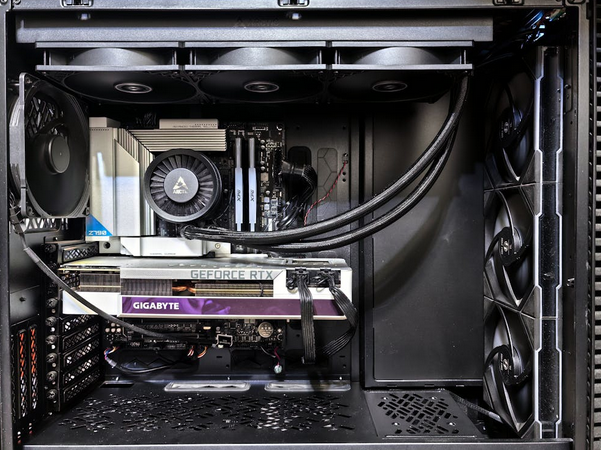
The processor and graphics card are the heart of any gaming PC. However, you don’t need the most expensive versions to get good performance. Many mid-range CPUs and GPUs can handle modern games very well at 1080p or even 1440p settings. A balanced combination is more important than buying one high-end part and a weak counterpart. Overspending on a graphics card while neglecting the processor can create performance bottlenecks. The goal is to find components that work well together rather than focusing on brand names or hype.
Use Fast but Affordable Storage Options
Storage is another area where you can save money without losing performance. Solid-state drives, especially NVMe SSDs, offer fast load times and smooth system performance at reasonable prices. Instead of buying a huge expensive drive, many budget builders start with a smaller SSD for their operating system and favorite games. Additional storage can always be added later if needed. This approach keeps initial costs low while still giving you a fast and responsive system.
Get Enough RAM Without Overdoing It
RAM is important for smooth gaming performance, but more isn’t always better. For most modern games, 16GB of RAM is more than enough. Going beyond that usually won’t make a noticeable difference for average gaming use. The key is choosing RAM with decent speed and reliability rather than paying extra for unnecessary capacity. It’s one of those areas where balance matters more than extremes.
Don’t Overspend on Motherboards and Extras

One common mistake beginners make is buying an expensive motherboard filled with features they don’t actually need. Unless you plan to overclock heavily or add advanced upgrades, a basic, reliable motherboard is usually enough. The same idea applies to extras like RGB lighting or premium cooling systems. While they look nice, they don’t necessarily improve gaming performance. Sticking to essential features helps you save money that can be better spent on core components.
Consider Used or Older-Generation Parts
One of the best ways to save money on a gaming PC build is by looking at slightly older or used components. Many previous-generation CPUs and GPUs still perform very well in today’s games and can be found at much lower prices. Buying used requires a bit more caution, but it can significantly reduce your overall budget. As long as you buy from trusted sellers and check compatibility, this can be a smart way to get more performance for less money.
Don’t Forget About the Power Supply and Case
While it’s tempting to focus only on performance parts, the power supply and case are important for stability and safety. A reliable power supply ensures your system runs smoothly and protects your components from damage. You don’t need a flashy or expensive case either. A simple case with good airflow is enough for most budget builds. Spending wisely here ensures your PC stays stable without adding unnecessary cost.
Building a gaming PC on a budget is completely possible if you make smart, informed decisions. Instead of chasing the most expensive parts, focus on balance, compatibility, and real performance needs. By prioritizing essential components, considering older hardware, and avoiding unnecessary extras, you can create a powerful gaming setup without overspending.