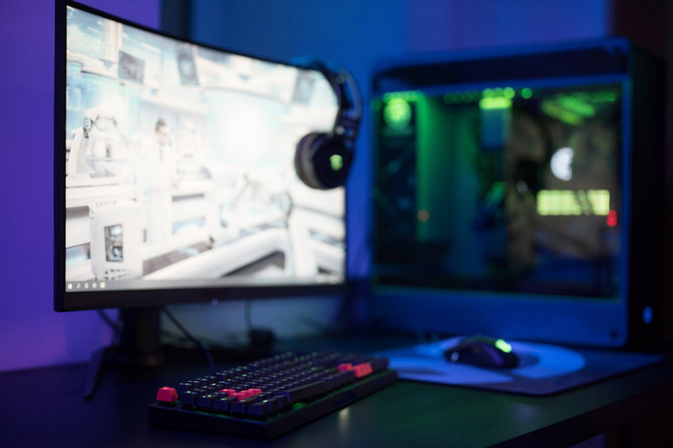
gaming PC

How to Build a Gaming PC Without Breaking the Bank

Building a gaming PC can feel intimidating, especially when you see high-end setups with flashy lights and expensive parts. It’s easy to assume that a good gaming experience requires a huge budget, but that’s not actually true. With the right choices and a bit of planning, you can build a solid gaming PC without draining your wallet. The key is understanding where to spend money and where to save it. Not every part needs to be top-tier, and many budget-friendly components offer excellent performance for modern games. If you’re strategic, you can create a setup that runs smoothly without overspending.

Start With a Clear Budget and Purpose

Before buying anything, it’s important to decide how much you’re willing to spend and what kind of games you want to play. A PC built for esports titles like Valorant or Fortnite doesn’t need the same power as one designed for heavy AAA games. Setting a budget helps you avoid unnecessary upgrades and keeps your build focused. It also helps you prioritize key components instead of getting distracted by expensive extras. Knowing your goal upfront makes the entire process easier and more cost-effective.

Choose a Balanced Processor and Graphics Card
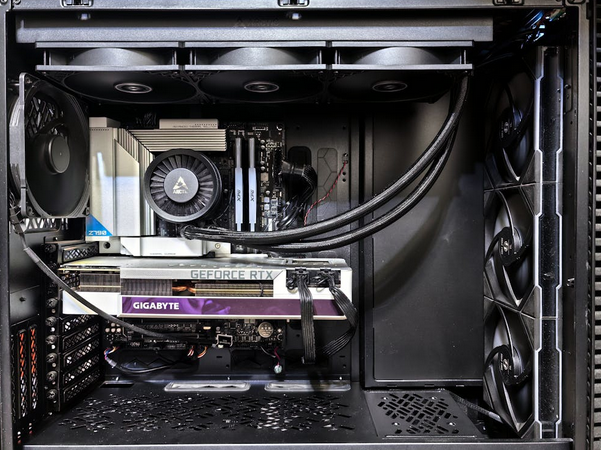
cpu

The processor and graphics card are the heart of any gaming PC. However, you don’t need the most expensive versions to get good performance. Many mid-range CPUs and GPUs can handle modern games very well at 1080p or even 1440p settings. A balanced combination is more important than buying one high-end part and a weak counterpart. Overspending on a graphics card while neglecting the processor can create performance bottlenecks. The goal is to find components that work well together rather than focusing on brand names or hype.

Use Fast but Affordable Storage Options

Storage is another area where you can save money without losing performance. Solid-state drives, especially NVMe SSDs, offer fast load times and smooth system performance at reasonable prices. Instead of buying a huge expensive drive, many budget builders start with a smaller SSD for their operating system and favorite games. Additional storage can always be added later if needed. This approach keeps initial costs low while still giving you a fast and responsive system.

Get Enough RAM Without Overdoing It

RAM is important for smooth gaming performance, but more isn’t always better. For most modern games, 16GB of RAM is more than enough. Going beyond that usually won’t make a noticeable difference for average gaming use. The key is choosing RAM with decent speed and reliability rather than paying extra for unnecessary capacity. It’s one of those areas where balance matters more than extremes.

Don’t Overspend on Motherboards and Extras

gamers

One common mistake beginners make is buying an expensive motherboard filled with features they don’t actually need. Unless you plan to overclock heavily or add advanced upgrades, a basic, reliable motherboard is usually enough. The same idea applies to extras like RGB lighting or premium cooling systems. While they look nice, they don’t necessarily improve gaming performance. Sticking to essential features helps you save money that can be better spent on core components.

Consider Used or Older-Generation Parts

One of the best ways to save money on a gaming PC build is by looking at slightly older or used components. Many previous-generation CPUs and GPUs still perform very well in today’s games and can be found at much lower prices. Buying used requires a bit more caution, but it can significantly reduce your overall budget. As long as you buy from trusted sellers and check compatibility, this can be a smart way to get more performance for less money.

Don’t Forget About the Power Supply and Case

While it’s tempting to focus only on performance parts, the power supply and case are important for stability and safety. A reliable power supply ensures your system runs smoothly and protects your components from damage. You don’t need a flashy or expensive case …


visual presentation

Top Benefits of AV Integration for Modern Workspaces

We all agree that businesses need to stay connected and efficient to remain competitive. One of the best ways to achieve this is through AV (audio-visual) integration, and you need a professional company that can help. This commercial av integration company designs and installs systems that improve communication, presentations, and overall workplace efficiency. Not to mention, they also help them collaborate more effectively and run smoother operations. With tools like video conferencing systems, interactive displays, and digital signage, AV integration is becoming a must-have in modern workplaces. But how exactly does it help? Here’s the answer.

Better Communication and Collaboration

tech-ready space

Good communication is essential for any successful team. AV integration makes it easier to connect with colleagues, clients, and teams in real time, no matter where they are. Video conferencing systems, digital whiteboards, and touch screens make meetings more interactive and productive. You can share ideas, documents, and presentations seamlessly, without worrying about poor video quality or sound issues. These systems also make remote work and hybrid work environments a lot easier. With integrated AV tools, you can connect from home or on the go, making it just as easy to collaborate with others as if you were in the same room.

Ensured Tech-Ready Workspace

projector screenTechnology is constantly changing, and it’s important for businesses to keep up. Investing in AV integration helps future-proof your workplace. This means your systems can grow with your business and adapt as new technology comes out. With modular AV systems, upgrades are easy to implement as your needs change over time. You won’t have to replace everything every few years. A good commercial AV integration company can help design a system that fits your needs now and in the future. As trends like remote work and virtual collaboration continue to grow, having an AV system that’s ready for these changes will keep your business ahead of the curve.

Increased Productivity and Efficiency

AV systems do more than just improve communication. They can also boost workplace productivity. For example, with integrated scheduling and video conferencing systems, your team can automatically sync their calendars and join meetings without wasting time. Touch-screen controls allow you to adjust lighting, sound, and other settings with ease, creating the perfect working environment every time. AV integration also helps cut down on technical issues that often waste time. You won’t need to spend precious minutes setting up or fixing equipment before a meeting starts. When everything works smoothly from the beginning, it helps your team stay focused on what matters, getting work done without interruptions.

Improved Employee Engagement and Satisfaction

meeting

An office with modern AV tools doesn’t just help with work. It makes the workday more enjoyable for employees. Interactive displays, digital boards, and video tools make meetings and presentations more engaging. Employees feel more involved in discussions, which can help them retain information and stay interested in their work. These systems also improve job satisfaction by making communication smoother and more efficient. Remote workers can join in as easily as office-based employees, making everyone feel included. When employees are engaged and happy, they’re more motivated and productive, which ultimately benefits the whole company.

AV integration is a game-changer for modern workspaces. It improves communication, boosts productivity, and helps businesses stay ahead of the technology curve. Investing in the right AV systems now will help your team work smarter, not harder, and set your business up for success.…

You’re Using QR Codes Wrong—Try These Genius Hacks Instead

QR codes have come a long way from being just squares of black and white pixels. You might think they serve their purpose by linking to websites or sharing information. But what if I told you there’s a whole world of creative possibilities waiting to be explored? If you’re still using QR codes in the same old ways, it’s time for an upgrade.

Get ready to dive into some genius hacks that will not only enhance your experience but also impress those around you. Whether you’re looking to simplify tasks or add flair to everyday interactions, these clever ideas will change how you see QR codes forever!

Turn QR Codes Into Free Wi-Fi Hotspots

Imagine walking into a café and not having to ask for the Wi-Fi password. Instead, you simply scan a QR code on the table and you’re connected instantly. Turning QR codes into free Wi-Fi hotspots is both practical and impressive. To set this up, generate a QR code that contains your network’s name (SSID) and password using any free online generator.

Print it out or display it on your devices. This simple hack eliminates the hassle of typing long passwords while also giving guests an enhanced experience. It’s perfect for businesses wanting to attract more customers by making internet access seamless. Plus, you can easily update the information whenever necessary—just regenerate the QR code with new credentials as needed.

QR Menus Are Boring—Here’s How to Make Them Interactive

QR menus can feel a bit stale, right? Just a list of items with prices. But what if you could jazz them up? Start by adding vibrant images for each dish. Visuals can entice diners and spark cravings like nothing else. Pair that with fun descriptions, highlighting unique ingredients or cooking methods. Consider incorporating interactive elements too. For instance, let customers customize their orders through the QR code interface—like choosing toppings or side dishes directly on their phones. You might also include links to chef videos explaining signature recipes or even user-generated content where guests share photos of their meals.

This creates community engagement and adds a personal touch. Throw in some gamification! How about loyalty points for scanning the menu? It’s an excellent way to keep patrons coming back while making dining experiences more memorable.

Share Your Contact Info With a Fancy Dynamic QR Code

Gone are the days of scribbling your contact details on a piece of paper. With dynamic QR codes, sharing your information has never been easier or more stylish. Imagine having a sleek QR code that links directly to your digital business card. A quick scan allows others to access your phone number, email, and social media profiles instantly.

Dynamic QR codes let you update this information anytime without changing the code itself. If you switch jobs or change numbers, just tweak the link behind the scenes. You can even customize these codes with colors and logos for branding purposes. This not only makes sharing practical but also visually appealing.

Use QR Stickers to Auto-Renew Grocery Lists

Did you know that instead of running to the store, you can simply grab your smartphone? With QR stickers on your pantry or fridge, grocery shopping becomes incredibly easy. These little codes can link directly to an online list that updates in real time. Just scan the sticker when you’re running low on any item.

Want milk? Scan it off the fridge sticker, and it’s added to your digital cart automatically. No more forgetting what you need while at the store! This method not only saves time but also prevents those impulse buys that often derail our budgets. Plus, sharing lists with family members is a breeze—everyone stays in sync without having to text or call each other constantly.…

The Imperative of IPTV Security for User Privacy and Protection

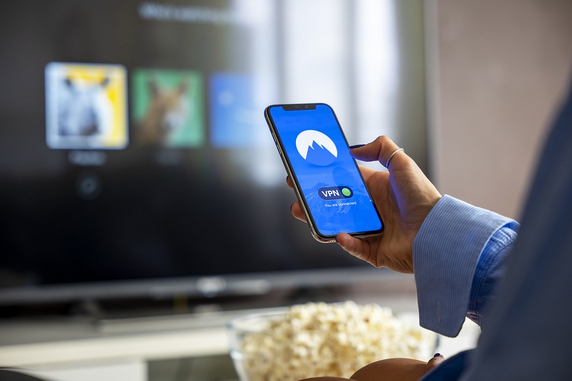
With the proliferation of internet-based television (IPTV), ensuring the security and privacy of user data has become paramount. As IPTV platforms continue to evolve and offer a wide range of interactive features and personalized content, the need to safeguard user information against cyber threats and privacy hacks has never been greater. In such events, most people will turn to vpn services. The information below goes over the importance of IPTV security in ensuring privacy and protection for users, as well as the best practices for mitigating security risks in IPTV environments.

Encryption and Secure Transmission

One of the fundamental principles of IPTV security is encrypting data transmissions to prevent unauthorized access and interception of sensitive information. IPTV platforms employ robust encryption protocols, such as SSL/TLS, to secure data transmissions between users’ devices and servers. By encrypting data at rest and in transit, IPTV providers can safeguard user credentials, payment information, and viewing history from eavesdropping and unauthorized access, guaranteeing the confidentiality and integrity of user data.

Authentication and Access Control

Effective authentication and access control systems are required to confirm users’ identities and prevent illegal access to IPTV services. IPTV platforms implement strong authentication protocols, such as username/password authentication, multi-factor authentication (MFA), and biometric authentication, to validate users’ identities and ensure that only authorized individuals can access protected content.

Content Protection and Digital Rights Management (DRM)

To protect copyrighted content and intellectual property rights, IPTV platforms employ content protection technologies and digital rights management (DRM) solutions. DRM systems encrypt content streams, enforce usage policies, and manage access rights to prevent unauthorized copying, redistribution, or piracy of protected content. By integrating DRM into IPTV workflows, content providers can ensure compliance with licensing agreements, protect revenue streams, and safeguard the integrity of premium content against piracy and unauthorized distribution.

Network Security and Intrusion Detection

Securing IPTV networks against cyber threats and malicious attacks is paramount to maintaining the integrity and availability of services. IPTV platforms deploy robust network security measures, such as firewalls, intrusion detection/prevention systems (IDS/IPS), and network segmentation, to protect against unauthorized access, malware infections, and denial-of-service (DoS) attacks. Continuous monitoring and real-time threat detection enable proactive response to security incidents, ensuring rapid containment and mitigation of potential threats before they impact IPTV operations or user experience.

Regular Security Audits and Vulnerability Assessments

To maintain a strong security posture and resistance to evolving attacks, IPTV platforms do frequent security audits and vulnerability assessments to discover and resolve possible flaws in their systems and infrastructure. Through comprehensive penetration testing, code reviews, and security assessments, IPTV providers can proactively identify security vulnerabilities, assess risk levels, and implement remediation measures to strengthen security defenses and protect against cyber attacks.

In an era of heightened cybersecurity threats and privacy concerns, ensuring the security and privacy of user data is paramount for IPTV platforms. By prioritizing IPTV security and adhering to best practices, providers can build trust and confidence among users, fostering long-term relationships and ensuring the integrity and resilience of IPTV services in an increasingly digital world.…

Pixels and Passports: The High-Tech Evolution of Identification

In today’s digital age, technology has reshaped many aspects of our lives, including how we identify ourselves. From passports to driver’s licenses, identification documents have undergone a remarkable transformation, embracing high-tech advancements to enhance security and efficiency. If you are interested in getting a passport, check out the wal greens ID photo services online. In this blog post, we will explore the evolution of identification, delving into the world of pixels and passports and how technology has revolutionized the identification process.

Machine-Readable Codes

Traditional passports typically featured simple photo and textual information, but today, machine-readable codes have become integral components of identification documents. These codes, such as the Machine-Readable Zone (MRZ) or barcode, store essential personal details and enable quick and accurate data retrieval. Passports now feature biometric-enabled chips that securely store an individual’s information, allowing for seamless verification and faster immigration processes.

Enhanced Security Features

Advancements in technology have also led to the incorporation of various security features in identification documents. Elements such as holograms, watermarks, microprinting, and ultraviolet (UV) ink are now commonly used to deter counterfeiting and protect against identity theft. These features are difficult to reproduce accurately, making it easier for authorities to identify fraudulent documents and ensure that identification cards and passports remain secure.

Biometric Data and Facial Recognition

One of the most significant changes in identification technology is the integration of biometric data and facial recognition systems. Biometrics involves the unique physical characteristics of individuals, such as fingerprints, iris patterns, or facial features, to verify their identity. Passport and ID photos now incorporate facial recognition software, which compares an individual’s live image against the one stored in their identification document. This technology enhances security, streamlines authentication processes, and helps prevent identity fraud.

Digital Identification

The digital revolution has paved the way for the emergence of digital identification solutions. Some countries are moving toward digital identification cards or virtual passports stored on smartphones. These digital alternatives provide convenience, reduce the risk of physical document loss or damage, and enable seamless integration with various online services. However, ensuring robust security measures and protecting individuals’ privacy remains a priority in the digital identification landscape.

Mobile Biometrics and Remote Identity Verification

Mobile biometrics and remote identity verification have gained popularity in recent years. With the ubiquity of smartphones, individuals can now capture their biometric data, such as facial or fingerprint recognition, using their mobile devices. This technology allows for convenient identity verification in various contexts, including opening bank accounts, accessing government services, or checking into hotels. The combination of mobile biometrics and remote identity verification offers a seamless and secure user experience.

Pixels and passports have converged to create a high-tech evolution of identification. From biometric data and facial recognition to machine-readable codes, enhanced security features, and digital identification solutions, technology has transformed the way we prove our identity. While these innovations offer increased efficiency and security, it is crucial to strike a balance between convenience and protecting individuals’ privacy. As technology continues to advance, it will be fascinating to see how identification evolves further and enhances our lives, making authentication processes simpler, safer, and more efficient than ever before.…